
Japanese ceramics represent one of the world’s most refined and diverse ceramic traditions, shaped by more than a thousand years of craftsmanship, regional culture, and aesthetic philosophy. Unlike many Western ceramic traditions that emphasize symmetry and perfection, Japanese ceramics often value natural textures, subtle irregularities, and the beauty of imperfection, a concept known as wabi-sabi. This aesthetic celebrates simplicity, quiet elegance, and the passage of time.
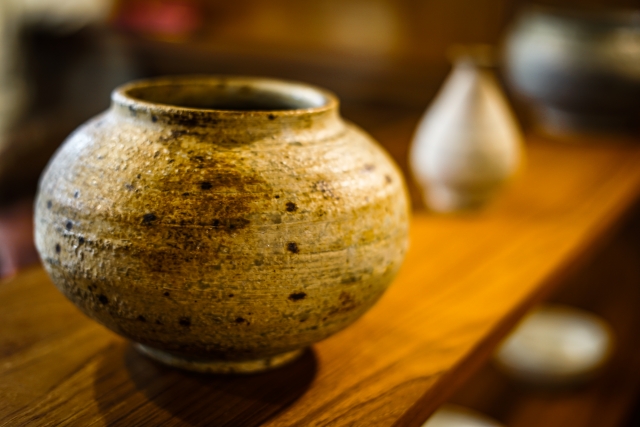
Historically, Japanese ceramics developed through a blend of indigenous techniques and influences from China and Korea. Early wares such as J-mon pottery featured bold, decorative forms, while later periods introduced more sophisticated methods, including high-temperature firing and glazing. By the 16th century, the rise of the tea ceremony profoundly shaped ceramic culture. Tea masters favored rustic, understated vessels, leading to iconic styles such as Raku, Shino, and Oribe.

One of the defining features of Japanese ceramics is its strong regional identity. Each area developed its own materials, kilns, and artistic sensibilities. For example, Arita in Kyushu became famous for delicate porcelain decorated with vivid colors; Bizen is known for unglazed, flame?marked stoneware; Mashiko produces warm, earthy everyday ware; and Kutani is celebrated for bold, multi-colored overglaze painting. These regional kilns, known as yaki, continue to preserve traditional techniques while also inspiring contemporary innovation.
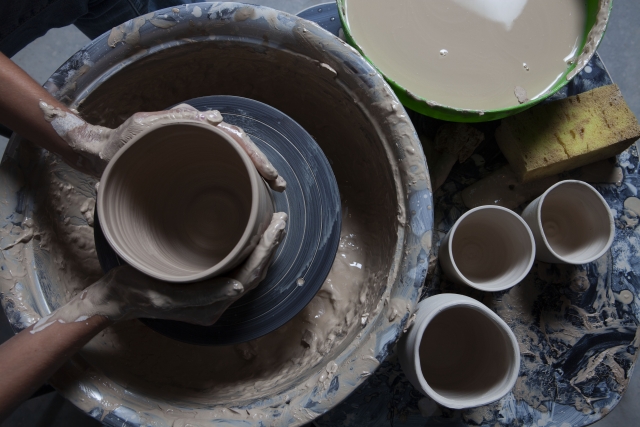
Japanese ceramics are admired not only for their beauty but also for their functionality. Everyday objects – tea bowls, plates, sake cups, vases – are crafted with careful attention to how they will be held, used, and appreciated in daily life. This harmony between form and purpose reflects a deep cultural respect for craftsmanship.
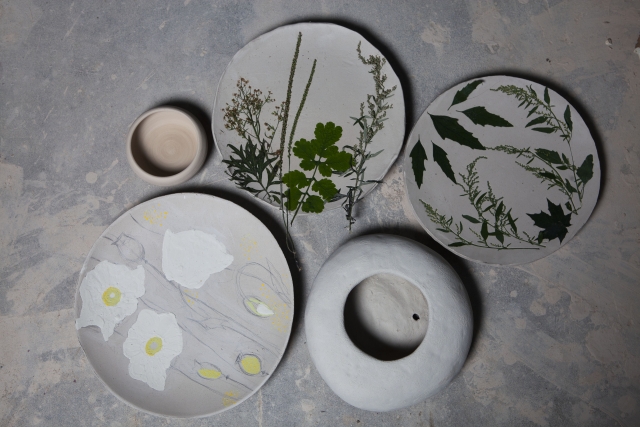
Today, Japanese ceramics remain highly valued worldwide, balancing tradition and modern creativity while continuing to evolve through the hands of skilled artisans.