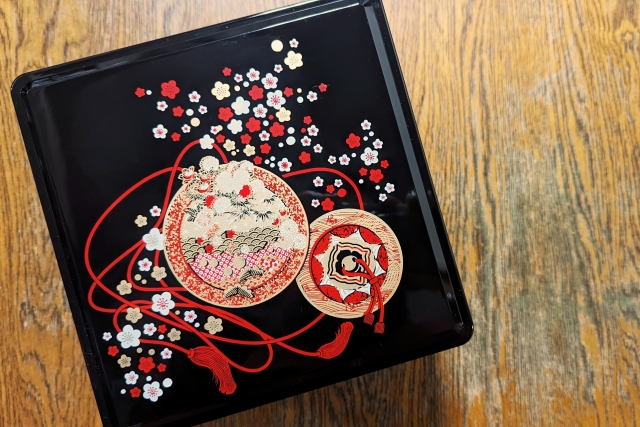
Japanese lacquerware, known as urushi, is one of Japan’s most distinguished traditional crafts, admired for its durability, deep luster, and refined beauty. It is created using the sap of the lacquer tree (Toxicodendron vernicifluum), a natural material that has been used in Japan for over 9,000 years. When applied in thin layers and cured in a humid environment, lacquer becomes extremely hard, glossy, and resistant to water, heat, and decay.
The production of lacquerware is a meticulous and time?consuming process. Artisans apply multiple layers – sometimes dozens – of lacquer to wooden, bamboo, or sometimes metal cores. Each layer must be carefully dried, polished, and reapplied, resulting in a smooth, mirror – like surface. This labor-intensive method reflects the Japanese values of patience, precision, and respect for natural materials.
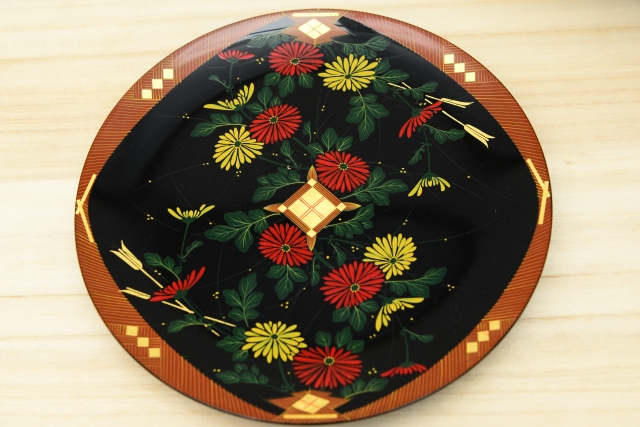
Japanese lacquerware is also known for its decorative techniques. Makie, the most celebrated method, involves sprinkling gold or silver powder onto wet lacquer to create intricate designs. Other techniques include raden (inlaying mother-of-pearl), chinkin (engraving filled with gold), and negoro (revealing layers of color through wear). These methods give lacquerware its distinctive elegance and artistic depth.
Regional styles further enrich the tradition. Wajima-nuri from Ishikawa is famous for its exceptional durability and detailed decoration; Aizu-nuri from Fukushima features bold colors and patterns; Kagawa lacquerware is known for innovative carving techniques. Each region’s style reflects local materials, history, and aesthetic sensibilities.
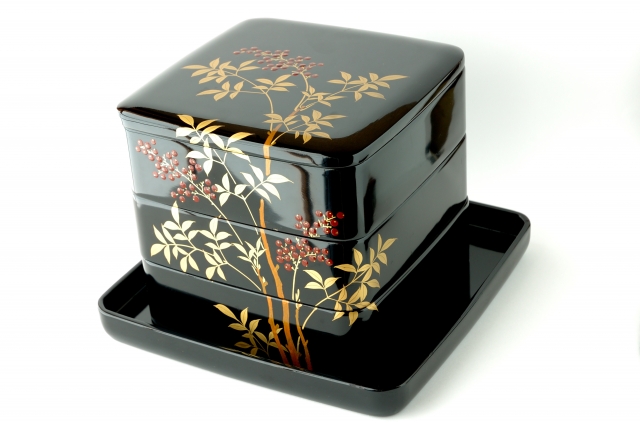
Japanese lacquerware is used for both everyday items – bowls, trays, chopsticks – and ceremonial objects such as tea utensils and decorative boxes. Its combination of beauty, functionality, and craftsmanship has made it highly valued in Japan and around the world.
Today, Japanese lacquerware continues to evolve, blending traditional techniques with contemporary design while preserving the timeless appeal of urushi.