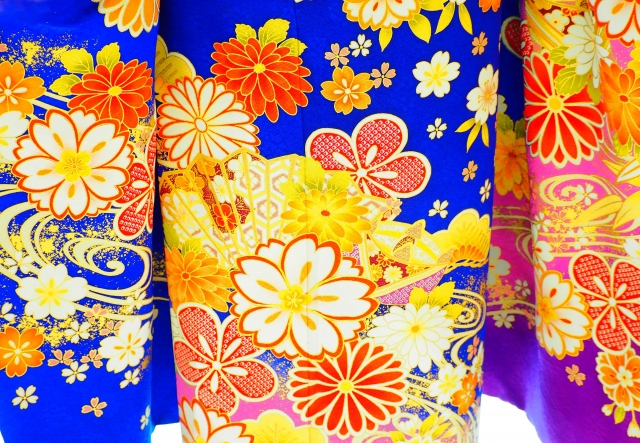
Japanese textiles represent one of the most sophisticated and culturally rich craft traditions in Japan, combining technical mastery, artistic expression, and deep historical roots. For centuries, textiles have played an essential role in Japanese daily life, ceremony, and identity, with each region developing its own materials, weaving methods, and dyeing techniques.
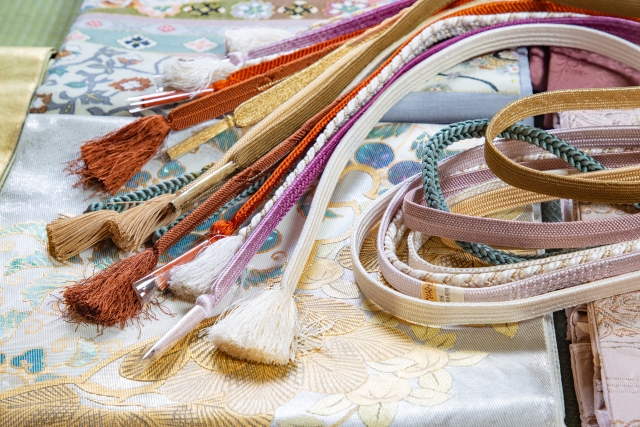
A defining feature of Japanese textiles is the emphasis on natural materials such as silk, cotton, hemp, and later, ramie. Silk, in particular, became central to Japanese textile culture, giving rise to luxurious fabrics used for kimono and formal garments. The cultivation of silk and the refinement of weaving techniques led to iconic styles such as Nishijin‑ori from Kyoto, known for its intricate patterns and gold threads, and Yuki‑tsumugi, a hand‑spun silk fabric prized for its softness and subtle beauty.
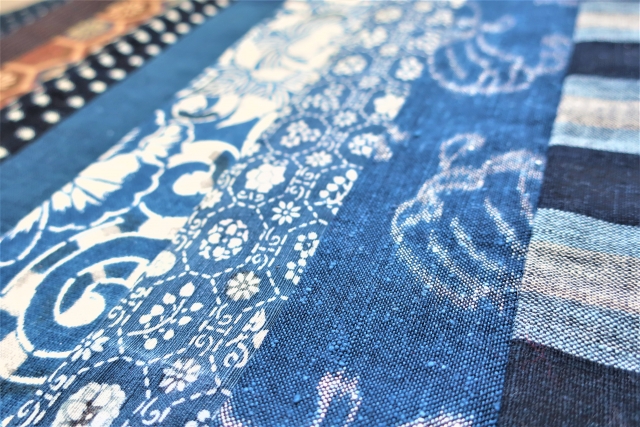
Japanese textiles are also renowned for their dyeing traditions. Techniques such as shibori (tie‑dye), katazome (stencil dyeing), and yuzen (hand‑painted dyeing) showcase the Japanese appreciation for color, pattern, and craftsmanship. Indigo dyeing, or aizome, is especially famous for its deep blue hues and natural antibacterial properties, making it both beautiful and practical.
Regional diversity is another hallmark of Japanese textiles. Okinawan bingata features vibrant, tropical motifs; Kaga‑yuzen is known for realistic, painterly designs; and Kurume kasuri from Kyushu uses resist‑dyed threads to create soft, blurred patterns. Each region’s textile reflects its climate, history, and cultural influences.
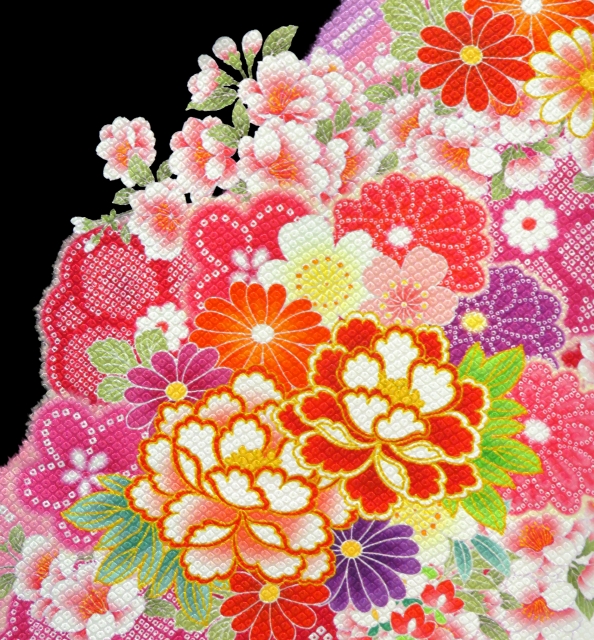
Beyond their visual appeal, Japanese textiles embody a philosophy of harmony, precision, and respect for materials. Whether used for kimono, household items, or contemporary fashion, they represent a balance of tradition and innovation. Today, Japanese textiles continue to inspire designers worldwide, preserving centuries‑old techniques while evolving to meet modern tastes and creative expression.