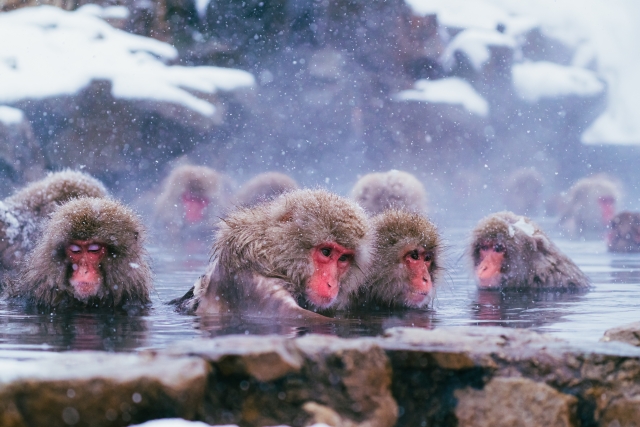
Located deep in the mountains of Nagano Prefecture, Jigokudani Monkey Park is one of Japan’s most unique wildlife destinations. The name “Jigokudani,” meaning “Hell Valley,” comes from the area’s steep cliffs and rising steam vents, which create a dramatic landscape—especially in winter. What makes this place truly famous, however, is the troop of wild Japanese[…]
Read MoreHot Springs of Nagano: A Journey into Japan’s Mountain Culture
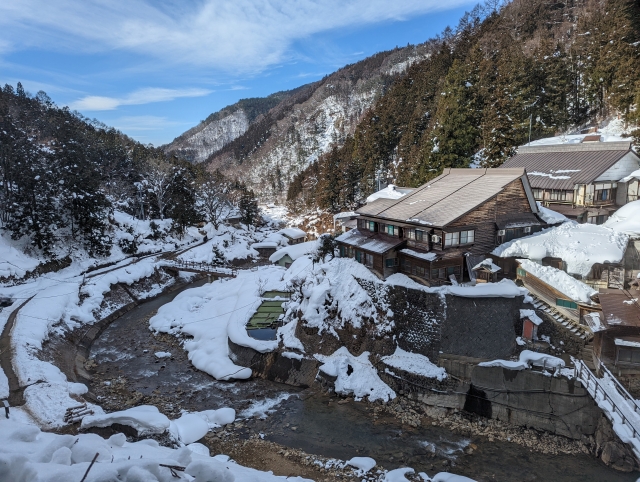
Nestled deep within the Japanese Alps, Nagano Prefecture is one of Japan’s most celebrated destinations for hot springs. Known for its dramatic mountains, pristine forests, and traditional rural culture, Nagano offers an atmosphere where visitors can experience onsen not merely as a bath, but as a cultural ritual shaped by centuries of life in the[…]
Read MoreHot Springs in Japan
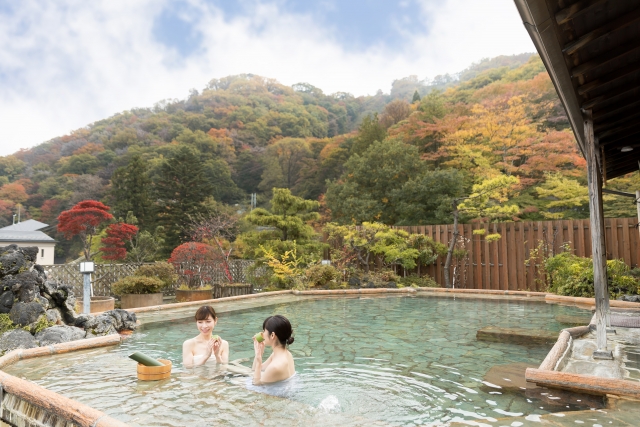
Hot springs, also known as onsen, are a common and popular feature of Japanese culture and society. Onsen are natural hot springs that are believed to have therapeutic properties, and they can be found all over the country, particularly in mountainous areas. They range from basic, rustic bathhouses to high-end, luxurious resort-style spas, and are[…]
Read MoreGero Onsen, Gifu
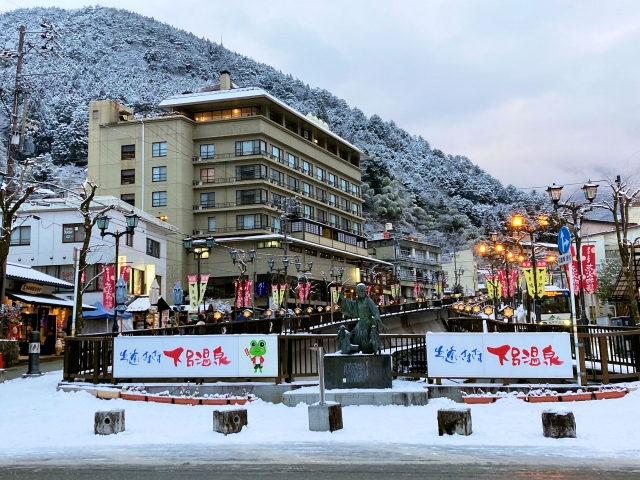
Gero Onsen is a hot spring town located in Gifu Prefecture, Japan. It’s known for its hot springs with water rich in minerals that are said to have healing properties. The town has numerous traditional inns called ryokans that offer hot spring baths and other traditional experiences. Gero Onsen is also known for its picturesque[…]
Read MoreArima Onsen, Hyogo
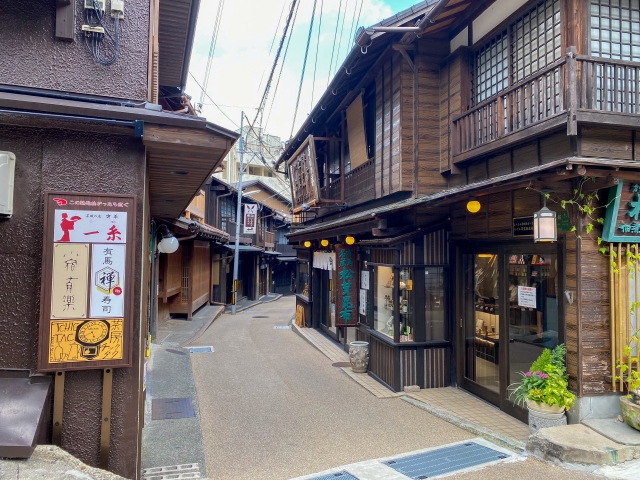
Arima Onsen is a hot spring resort in Kita-ku, Kobe, Hyogo, Japan. It is considered one of the oldest hot springs in Japan, with over 1,300 years of history. It is known for its unique hot spring water, with one hot spring having iron-rich, reddish-brown water, and another hot spring having clear, blue-green water. Visitors[…]
Read MoreJapanese Woodwork
Japanese woodwork is one of Japan’s most respected traditional crafts, celebrated for its precision, natural beauty, and deep connection to the country’s architectural and cultural heritage. Rooted in centuries of craftsmanship, Japanese woodwork reflects a philosophy that values harmony with nature, meticulous attention to detail, and the pursuit of simplicity and elegance. Historically, wood has[…]
Read MoreJapanese Metalwork (Chōkin)
Japanese metalwork is one of the country’s most distinguished traditional crafts, known for its technical precision, artistic refinement, and deep cultural symbolism. Rooted in centuries of craftsmanship, Japanese metalwork encompasses a wide range of objects—from swords and armor to tea utensils, decorative fittings, and contemporary art pieces. What sets Japanese metalwork apart is the harmonious[…]
Read MoreJapanese Textiles (Orimono)
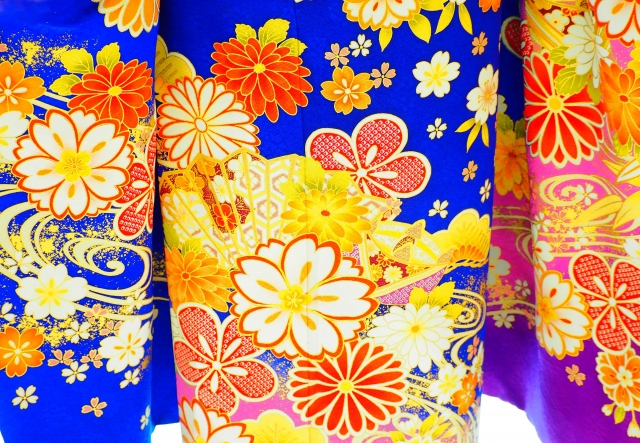
Japanese textiles represent one of the most sophisticated and culturally rich craft traditions in Japan, combining technical mastery, artistic expression, and deep historical roots. For centuries, textiles have played an essential role in Japanese daily life, ceremony, and identity, with each region developing its own materials, weaving methods, and dyeing techniques. A defining feature of[…]
Read MoreJapanese Lacquerware (Urushi)
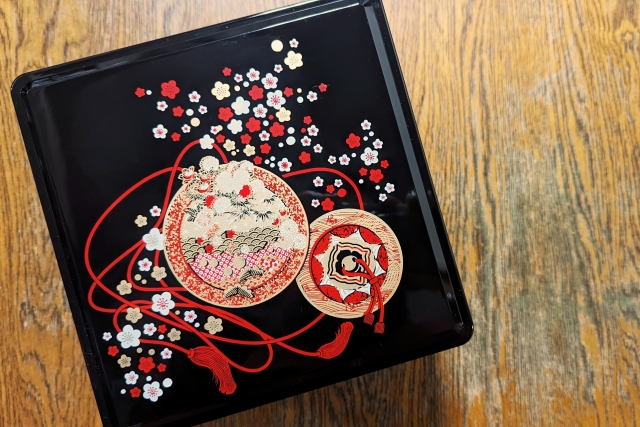
Japanese lacquerware, known as urushi, is one of Japan’s most distinguished traditional crafts, admired for its durability, deep luster, and refined beauty. It is created using the sap of the lacquer tree (Toxicodendron vernicifluum), a natural material that has been used in Japan for over 9,000 years. When applied in thin layers and cured in[…]
Read MoreJapanese Ceramics
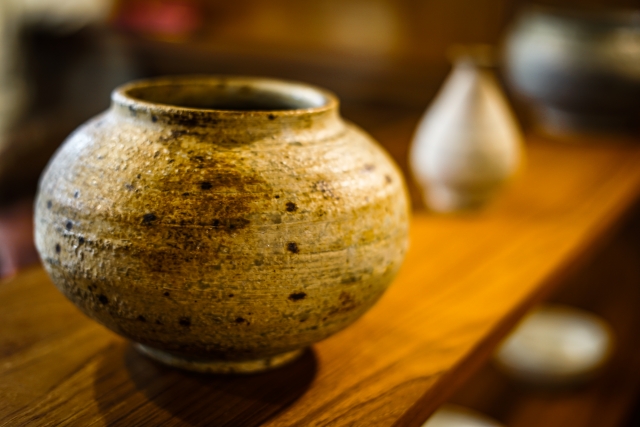
Japanese ceramics represent one of the world’s most refined and diverse ceramic traditions, shaped by more than a thousand years of craftsmanship, regional culture, and aesthetic philosophy. Unlike many Western ceramic traditions that emphasize symmetry and perfection, Japanese ceramics often value natural textures, subtle irregularities, and the beauty of imperfection, a concept known as wabi-sabi.[…]
Read More